

Vancouver in fall is a mix of evergreen forests, colourful city streets, crisp mountain air and plenty of rain. Being a July baby, I’m a child of summer through and through; I thrive in the heat, which makes watching another summer fade away so hard—especially in Vancouver where fall is the beginning of the long rainy season. But while I expected the rain, I didn’t expect the delights: parks turn gold, orange and red, pumpkin patches open around the Lower Mainland, and there are lots of ways to enjoy the season.
We lived in Vancouver and explored the city with our toddler. In this guide, I’m sharing the places and activities I’d recommend, plus practical notes to help you choose what works for your trip. Some details—especially event dates, prices and opening hours—change every year, so check the official links before you go.
For those planning a family trip in the fall, see our Vancouver with kids itinerary for ways to explore the city at a comfortable pace.

At a glance: visiting Vancouver in the fall
- Best time for city fall colours: Often mid-October to early November, but it varies by year and location/altitude.
- Best time for higher-elevation hikes: Early fall (until about mid-October), before snow or icy conditions arrive.
- Rainy-day ideas: Museums, Science World and Bloedel Conservatory.
- Good family outings: Stanley Park, pumpkin patches, the salmon hatchery and easy park walks.

Plan your fall trip
- Stay: Compare Vancouver accommodation options for your dates.
- Book an activity: Check availability for a Gastown walking tour and other popular seasonal Vancouver attractions, like ghost tours or pumpkin patches.
- Pack for the weather: Bring a waterproof jacket and comfortable, waterproof shoes.
- Check seasonal details: Pumpkin patches, Halloween events and garden programmes vary each year—confirm dates and tickets before you go.
What is fall weather like in Vancouver?

Vancouver has mild weather — compared to the rest of Canada, that’s what — but it can change quickly. Average daily temperature in September tends to be between 10 and 16°C (50 and 60°F), while in November it ranges from 3 to 7°C (37 to 44°F). There can be fluctuations, with some T-shirt days, but also some surprisingly chilly ones that call for a warm layer and rain jacket. Oh, yes, there will certainly be rainy days.
September is often comfortable for walking and hiking, while October and November tend to be wetter and cooler.
The annual average rainfall in Vancouver is 1455 mm (57.3 inches)—pretty rainy! And most of that rain falls between October and March, the months of October and November being the wettest. So rather than planning every day around perfect weather, bring waterproof clothing and have a mix of indoor and outdoor activities in mind.
I remember the year we moved to Vancouver: our first fall had long periods (several weeks) of constant rain, with only a few hour breaks in between. In the coming year, it barely rained until early November. If you get lucky, you might enjoy several weeks of sunshine, with only a little rain. But don’t count on that—a rain jacket and waterproof shoes are essential for a fall visit.
Check the forecast before heading to the mountains: conditions at higher elevations can be very different from those in the city. It rarely snows in Vancouver, but the surrounding mountains can be blanketed in snow from late October.
When can you see fall colours in Vancouver?

Vancouver (or the West Coast) isn’t known for the vast autumn forests found in some parts of eastern Canada. Much of the region’s natural forest is evergreen. But the city’s parks, gardens and neighbourhood streets have plenty of deciduous trees, so you can still find lovely fall colour. The question is: when?
Timing varies with the weather, tree species and elevation. Higher places may start changing earlier, while parks closer to sea level can peak later. As a broad guide:
- From mid-September: Look to higher elevations (like Burnaby Mountain) and early-changing plants.
- Early to mid-October: Many city parks and leafy neighbourhoods begin to show colour.
- Late October and early November: Some lower-elevation areas may still be colourful, depending on the year.
- By mid-November: Most deciduous trees have shed their leaves.

In the meantime, the higher mountains around the city might get the first snowfall as early as October. The contrast of bright leaves, evergreen trees and snow-dusted mountains can be beautiful—but it’s never guaranteed. It’s surely a unique sight we’ll never forget.
If fall foliage is a priority, keep your plans flexible and check recent local photos or park updates.
Best things to do in Vancouver in fall
The most common advice we got after we moved to Vancouver was to spend time outdoors throughout the year, no matter the weather. Locals definitely do that, and that’s what we recommend for a fall visit, too: pack your rain gear, and don’t let wet weather stop you from exploring. And keep your fingers crossed for at least a few sunny days.

1. See fall colours in Vancouver’s parks
A walk is one of the simplest ways to enjoy fall in Vancouver. These parks offer a range of scenery, from waterfront paths to quiet garden trails, and we marveled at an impressive red and golden display in each in the fall, mainly from mid-October:
Stanley Park

To me Stanley Park is one of the coolest urban parks in the world. It’s surrounded by Burrard Inlet and English Bay, and the seawall, forest paths, beaches and viewpoints make it easy to spend a few hours here—or longer if you want to explore the whole park at a relaxed pace.
You can walk or bike around the park—I have a separate Stanley Park guide with the best sights and activities.
In fall, look for colourful trees along the seawall and on paths through the park. I found it quite easy to explore with a toddler, since the seawall is stroller-friendly, and there are many shorter paths in the forest or around the lakes.
Family note: The Stanley Park Ghost Train has been a seasonal Halloween attraction in some years. Check the City of Vancouver’s official page to see whether it is running.
Coal Harbour

The waterfront walk between Stanley Park and Canada Place has lovely views of downtown, Burrard Inlet and the North Shore Mountains. In fall, the trees along the route add colour to an already scenic stroll. It’s an easy choice if you’re staying downtown or want to combine a walk with sightseeing.
Good news to parents with little ones, it’s a stroller-friendly route, as well. My toddler was obsessed with the sea planes landing directly in front of us as we walked.
David Lam Park

Along the False Creek seawall in Yaletown, David Lam Park is a good spot to pause during a downtown walk. The paths and open spaces make it easy to fit into a city day, and the trees put on a colourful display in fall.
Ron Basford Park
On Granville Island, Ron Basford Park has open views towards the city and a mix of colourful trees. It’s a nice place to take a break after visiting the Granville Island Public Market, shops or cafés in this quirky, lively neighborhood.

Queen Elizabeth Park
Queen Elizabeth Park sits at one of Vancouver’s highest points, further from downtown Vancouver, and it offers views across the city. It’s also a rewarding place for fall colour—find the ginkgo trees with their dark amber leaves.
The park has slopes, so plan your route according to your group’s energy and mobility. Not all paths are stroller-friendly.
Trout Lake Park (John Hendry Park)
Trout Lake Park, officially John Hendry Park, has a walking path around the lake and a variety of trees: maples, weeping willow, oak, birch and cherry, resulting in a feast of colours in the fall. It’s a relaxed place for a stroll, with playgrounds and open spaces. On a clear day, you can also see the North Shore Mountains beyond the lake.

UBC Botanical Garden and Nitobe Memorial Garden
If you like gardens, consider UBC Botanical Garden or Nitobe Memorial Garden. Both offer a different experience from a city park, with carefully designed landscapes and seasonal planting.
Nitobe is like a piece of Japan. It’s designed to highlight the change of seasons, and it has a wonderful fall color display. It’s not a public park though, you need to buy tickets to visit it.
UBC Botanical Garden is large and offers pretty fall displays. Walk in the Carolinian forest or the Asian garden to find the most picturesque spots.
Aberdeen Park
Aberdeen Park is a small, lesser-known park near Central Park, not far from where we lived. It surprised me with lovely cherry blossoms in spring and beautiful fall foliage in October.

view of Third Beach in Stanley Park
2. Walk beneath the colourful trees on Vancouver’s streets
Some of Vancouver’s best fall-colour spots are ordinary neighbourhood streets and tiny local parks. Just please be considerate when visiting these residential areas: keep noise down, stay on public paths and don’t block driveways or photograph residents without permission.
English Bay and the West End

English Bay is a lovely place for a waterfront walk in any season. In fall, the surrounding trees add warm amber and crimson colour to the beach and nearby streets. The exterior of the Sylvia Hotel on Beach Avenue (right behind English Bay Beach) is especially striking when its Virginia creeper changes colour.
West Georgia Street, on the way towards Stanley Park, and the viewing terraces at Robson Square are other places to look for city colour.

Kitsilano
We liked strolling the leafy residential streets behind Kitsilano Beach for a quiet fall walk. Combine a stroll with a visit to the beach.

Mount Pleasant
Mount Pleasant is another good neighbourhood for a fall walk. We found the prettiest colors at the crossings of West 10th Avenue and Alberta Street, and West 10th Avenue and Yukon Street. They’re also near cycling routes, so you can include them in a bike ride if conditions are dry.
East Vancouver
Cambridge Street is known for its colourful maple trees. If you visit, be mindful of residents and avoid blocking sidewalks or access to homes while taking photos.

3. Visit VanDusen Botanical Garden
We took delight in visiting VanDusen Botanical Garden in every season. Fall brings changing leaves, seasonal flowers and colourful garden views. Heathers, autumn crocus and hydrangeas bloom in the fall, Japanese maples turn fiery red and ginkgo trees turn golden. Beautiful ponds, lily pads and wooden bridges make the fall scenes even prettier.
The beloved Halloween illuminated pumpkin and light walk was discontinued after 2019, and VanDusen’s new special event to celebrate the autumn season is Harvest Days, with family-friendly activities during the day. You can check their current dates on the official events page of the garden.
There’s an entrance fee to visit the botanical gardens—you can also buy your ticket online.
4. Explore a museum on a rainy day

False Creek view with Science World
A rainy day doesn’t have to mean staying in your hotel. Vancouver has several museums and indoor attractions that make a good change of pace.
Some of the most worthwhile ones are:
Science World
One of our favourite family-friendly attractions, Science World has interactive exhibits and play areas, live demonstrations, and films on the giant-screen OMNIMAX theatre. There’s something to explore for a wide range of ages, whether you’re visiting with children or on your own.
Check the current exhibits, opening hours, and admission details before you go. Booking ahead may be worthwhile for weekends, school holidays or special programmes. Check Science World ticket options.
Vancouver Maritime Museum

Learn about the maritime history of Vancouver, British Columbia and the Canadian Arctic in the family-friendly Vancouver Maritime Museum in Vanier Park. It has a free outdoor exhibition, too: the Heritage Harbour, featuring a collection of vintage wooden vessels.
Check opening hours on the official website. See tickets and availability.
More museums
- Museum of Vancouver (Vanier Park): Exhibitions explore Vancouver’s history and culture. Temporary exhibitions change, so see what’s on during your visit.
- H.R. MacMillan Space Centre (Vanier Park): Planetarium and space museum. Check its current programme and ticket details.
- Bloedel Conservatory: This glass-domed tropical conservatory in Queen Elizabeth Park offers a warm, leafy escape on a wet day. Confirm opening hours and admission before you go. See ticket options.
Advance booking may be useful for busy dates or special programmes; see the venue’s official site for the latest information.
5. Visit a pumpkin patch near Vancouver
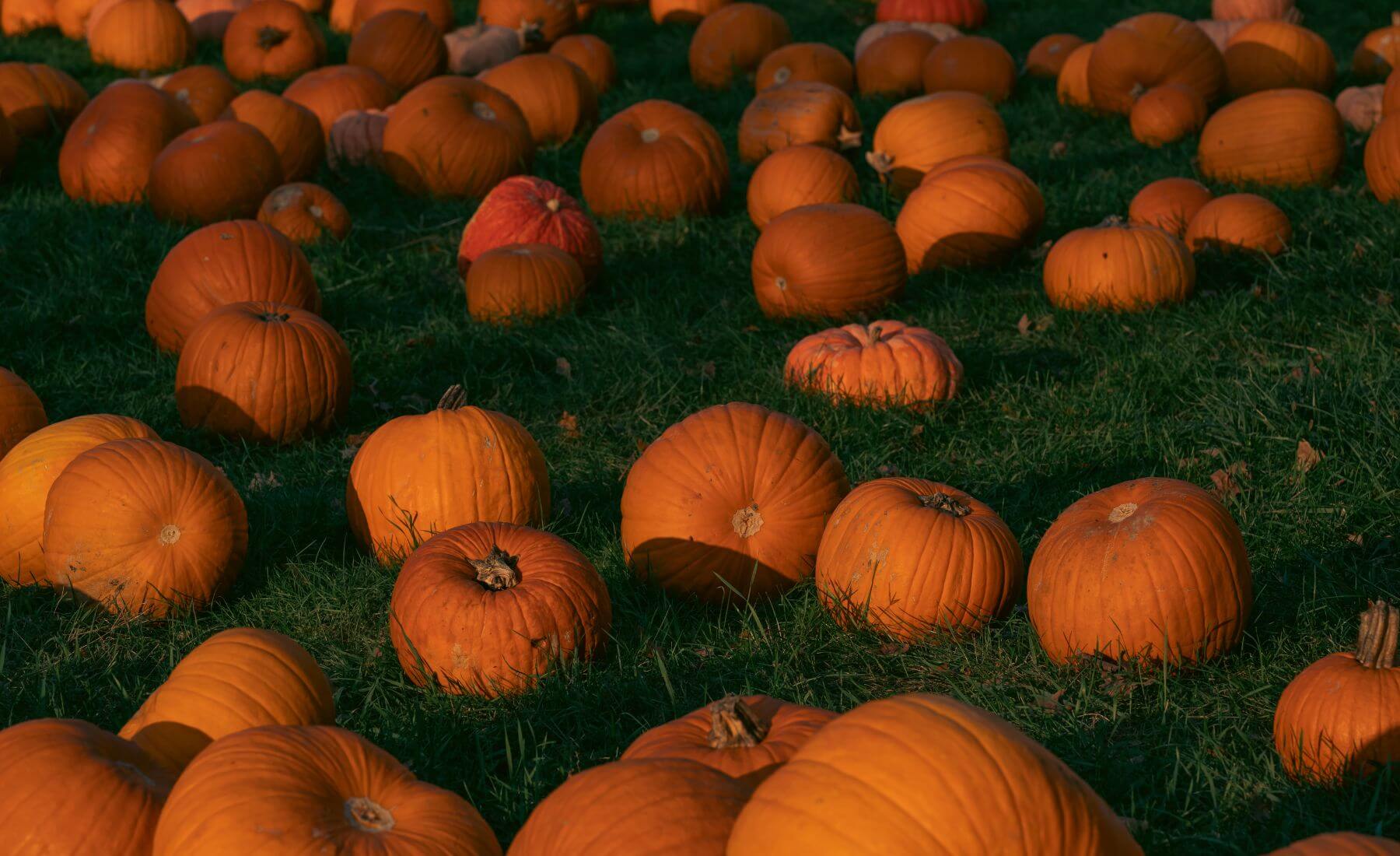
One of the best (and very North American) things to do in Vancouver in the fall is visiting pumpkin patches. Apparently, Canadians don’t just go to the shop and buy a few pumpkins to carve out at home, at least most of them don’t.
As we learned during our first Vancouver Halloween season, making a visit to a pumpkin patch, enjoying the Halloween or farm themed attractions, taking fun pictures, picking and buying pumpkins together is the way to do this properly. It’s a fun family activity—and something we haven’t ever experienced in Europe. Just like North America can’t do Christmas markets the real way, Europe can’t do Halloween the real way.
Depending on the farm, you may find pumpkin picking, wagon rides, play areas, farm animals, food stalls or a corn maze. Activities vary, and not every farm offers the same experience each year.
Some great farms and pumpkin patches in the wider Metro Vancouver area include:
- Southlands Heritage Farm, Vancouver: A small, family-run farm, with a pumpkin patch, pony rides and farm animals, ideal for the youngest kids.
- Hazelmere Pumpkin Patch, Surrey: A long-running pumpkin-patch option with family activities such as wagon rides, petting zoo, mini corn maze and play areas for kids.
- Richmond Country Farms, Richmond: An exciting farm for both kids and adults, with a pumpkin patch, wagon rides, live entertainment, an animal farm and a miniature train, a highly rated produce market and a winery.
- Laity Pumpkin Patch, Maple Ridge: A family-friendly pumpkin patch with two different locations, the North location (the original one) designed for younger kids (ages 0-6), while the South location is for older children and adults.
- Peteys Pumpkin Patch, Chilliwack: A Fraser Valley option that can be a longer drive from Vancouver. It has train ride, petting zoo, indoor and outdoor play areas.
Before you go, check the farm’s official website for dates, tickets, parking, accessibility and what’s included. Most pumpkin patches are seasonal, and some operate only on selected days. Weekdays may be quieter (and even cheaper) where available, but check in advance.
If you plan to buy a pumpkin, put a bag or old blanket in the car to protect the upholstery. Pumpkins are fresh from the field, usually coated with dust and dirt.
If you’re visiting with kids, especially a toddler: Wear shoes that can get muddy, bring extra layers and allow more time than you think you’ll need.
6. Look for seasonal Halloween events

Vancouver and nearby communities host a range of Halloween events, but schedules and formats change from year to year.
FlyOver Canada
FlyOver Canada is a 4D simulation that takes you on a “plane” over Canada, from the east coast to the west coast. It usually has a Halloween themed movie in the days leading up to October 31st, and in 2026 it’s called HowlOver Canada. This family-friendly Halloween-themed flying experience is available from October 15 to November 1, 2026.
Check details and tickets on the official website.
Vancouver’s Parade of Lost Souls
People walking around in Halloween costumes, listening to music, enjoying live entertainment and generally having a good time—the Parade of Lost Souls is one of Vancouver’s best and most interesting traditional events for adults at Halloween. It’s usually organized in the Commercial Drive neighbourhood every year.
The 2026 event takes place on Saturday, October 31st, from 7:00 pm until 10:00 pm.

Pumpkins After Dark
Pumpkins After Dark is Canada’s largest family-friendly walk-through pumpkin experience, with about 10,000+ hand-carved jack-o’-lanterns. It runs in different cities across Canada, the US, and Ireland.
While it has previously been held at Central Park and Swangard Stadium in Burnaby, it’s sadly not on the official schedule for the Lower Mainland for the 2026 season. You can check the official site for the current venue, dates and tickets.
Brinkworth Dungeon, Langley’s haunted house
One of the best creepy Halloween attractions in the Metro Vancouver area is Brinkworth Dungeon, the haunted house of Langley, with a handcrafted labyrinth and detailed monster sculptures all over the place.
It’s a seasonal attraction, usually running in the last three weeks of October, and it takes place in a residential house. There are different tours: the ones without live actors are recommended for families with young children, while the tours that include scare actors are better for teenagers and adults.
There’s an entrance fee to visit (it’s mostly to offset the costs). It will be reopened in 2026 after extensive renovations—see the most up to date info on their website.
7. Visit the annual Fort Langley Cranberry Festival
Fort Langley Cranberry Festival is a free event, held each year on the Saturday before Thanksgiving. There’s a market, food trucks, live entertainment and some family-friendly activities on Thanksgiving Weekend. Fort Langley is a nice neighborhood to visit, anyway, with historical houses, vintage shops, galleries, breweries and eateries, and this festival is yet another merry excuse not to miss it.
See the official announcement for details.
8. Watch the salmon run

In the fall, salmon return from the ocean to freshwater streams to spawn. Seeing the migration was a unique opportunity for us to learn more about this region’s wildlife.
I didn’t even know before that while salmon lives in the oceans, it spawns in freshwater. And it was incredible to see them swim up (and jump up) as they were making their way in the wild mountain rivers upstream.
You can witness it in the wilderness if you’re lucky, mostly in October. But you can also visit some of the salmon hatcheries in Vancouver, like the Capilano Hatchery in Capilano River Regional Park. Lesser known are the Little Campbell Hatchery, Tynehead Hatchery and Hoy Creek Fish Hatchery. They’re exciting places to watch the salmon migration, and also learn about it. Capilano Hatchery has a great exhibition—and it’s free to visit.
Salmon viewing depends on the species, location and timing. Check local updates before you go, and follow posted rules around wildlife and waterways.
9. Take a hike before winter conditions arrive

Hiking in Vancouver is a good idea any time of the year—you only need to find the suitable trails. Early fall is a lovely time to tackle most of the higher elevation trails. They’re less busy than in the summer, but (most of the time) still snow-free. They might get the first heavy snowfall in early October.
We loved hiking up to the iconic peaks in the North Shore Mountains. We truly enjoyed the sunny September and early October days there—and by this time, mosquitos that can make early and mid-summer hikes somewhat unpleasant are usually all dead.

We have separate guides about our favorite North Shore Mountains hikes:
- St Marks Summit
- Mount Strachan
- the three peaks of Mount Seymour

The famous alpine lake hikes in Garibaldi Provincial Park and in the Whistler area are much less busy than in prime summer time, and September and early October are often still snow-free.
See more details about our favourite alpine lake hikes in the dedicated guides:

Most of these hikes offer a bit of fall foliage, but that’s not the highlight. They are amazing because of the landscape, the lakes, waterfalls and peak views. Most of them are not easy hikes, and some are particularly long or strenuous. Don’t choose a route just because it appears on your Insta feed.
Always check recent trail reports, weather forecasts, access restrictions and daylight hours before setting out. Carry suitable layers, water, food and navigation, and turn back if conditions are poor.
10. Choose an easier walk for fall colour

If you’d like to hike so that you can see more fall colours, don’t hike up to the alpine, rather choose lower elevation trails near Vancouver.
Some trails and parks we enjoyed in the fall:
- Maplewood Flats Conservation Area, North Vancouver: A quiet woodland for walking and birdwatching, with short, flat trails and deciduous trees. Maples and alders turn bright orange and red in the fall.
- Velodrome Trail, Burnaby Mountain: A short (3 km return), steep route with over 500 stairs to the top of Burnaby Mountain. The deciduous forest features a fabulous red and golden display in the fall. Not a good choice for a stroller, bring a child carrier instead.
- Flood Falls, near Hope: A short ( km return) walk to a waterfall, with gorgeous fall colours. The drive from Vancouver is substantial, so combine with other attractions to make it a day trip.
Looking for more gentle trails? Explore our guide to easy hikes in Vancouver and choose a route that suits your group and current conditions.

Some of my favourite fall hikes in the North Shore Mountains:
- Goldie Lake Loop (3 km loop) in Mount Seymour Provincial Park, with blueberry and heather bushes
- Hollyburn Mountain (7 km return hike) in Cypress Provincial Park, with black huckleberry bushes.
- Mount Strachan in Cypress Provincial Park, with alpine meadows turning golden, orange or vibrant red in the fall
Most of the trees in the North Shore Mountains are evergreen, but the bush is not, and its golden colour lights up the landscape in the fall.

Then there’s Manning Provincial Park, about 2.5 hours drive from Vancouver, with its larch trees on Frosty Mountain. Larches are a coniferous tree with needles similar to a pine, but they turn beautifully golden each fall, then drop their needles off.
Frosty Mountain is the highest peak in Manning Park, and conquering it is an adventure on its own. It’s a 22 km round-trip trail that usually takes 8-10 hours to complete.
Family tip: For an outing with a toddler, a flat park walk is a more reliable choice than a mountain trail if you’re not up to carrying your little one. Otherwise, ours really enjoyed climbing stairs and rocks, and we completed all of these trails with him, equipped with a child carrier. I’ve also shared my experience about the Beco toddler carrier we used.
11. Find more fall colour around Metro Vancouver

frosty October morning in Broadview Park, Burnaby – my local park for morning jogging 🙂
If you’ve already explored downtown, consider a park or waterfront walk in the wider region. We’ve seen wonderful fall colors in many parks in the Metro Vancouver area. They’re further from the touristy attractions of Vancouver, and that’s part of their appeal.
Check transit, parking and trail information before you go; the best option depends on where you’re staying and whether you have a car. Generally, they’re more convenient to visit if you drive there.

Our favourite Metro Vancouver parks to visit in the fall are:
- Burnaby: Burnaby Mountain Park has colourful trees, gardens and viewpoints, with steeper paths nearby for a more active outing. For gentler walks, try the paths around Deer Lake Park or the waterfront trails at Barnet Marine Park.
- North Vancouver: Mosquito Creek Park is a lovely change from the evergreen forests found in many North Shore parks. Its winding trail follows the western bank of Mosquito Creek through a mix of deciduous trees that bring warm colour in fall.
- Richmond: The West Dyke Trail is a flat route that’s popular for walking and cycling. It’s more about open skies, farmland and waterfront views than a dense canopy of autumn leaves, but it makes an easy seasonal outing.
- Surrey: Bear Creek Park has wooded paths and garden areas; Hawthorne Park offers a peaceful walk through trees and wetlands; and Fleetwood Park is a relaxed neighbourhood spot for a leafy stroll.
- Port Moody: Rocky Point Park combines waterfront views with an easy walk and colourful trees, making it a pleasant place to enjoy a crisp autumn afternoon.
- Coquitlam: Lafarge Lake Park has a paved path around the lake, with colourful trees and reflections in the water. Nearby, Coquitlam River Park offers a more natural riverside setting and wooded trails, mostly with deciduous trees.

Check each park’s current access, facilities and path conditions before visiting.
Family tip: Most of them are suitable for a stroller-friendly outing, especially if you have a sturdy stroller that works on rougher, unpaved terrain. The exception is Burnaby Mountain, where only a few smaller sections are suitable for strollers.
12. Take a Gastown walking tour

Gastown is one of Vancouver’s oldest neighbourhoods, with Victorian buildings, cobbled streets and plenty of places to eat and browse. It earns its place on any Vancouver itinerary, no matter the season. And a guided walking tour can add context to the area’s history and architecture.
The “Lost Souls of Gastown” walking tour is a special way to get to know it through the tales of the city’s darkest days, the Great Fire, smallpox and gold dust fever. It fits with the foggy, damp, mystic vibe of the fall months in Vancouver. The tour takes you to the iconic landmarks of the neighborhood, as well as some back streets, alleyways and secret spaces in Gastown.
I recommend booking the Lost Souls of Gastown walking tour in advance if you’re interested. Check the current route, duration, meeting point and cancellation policy before booking.
13. Visit the Dr. Sun Yat-Sen Classical Chinese Garden in Chinatown
The Dr. Sun Yat-Sen Classical Chinese Garden in Vancouver’s Chinatown is a peaceful place to explore traditional Chinese garden design and marvel at fall foliage, including Japanese maples. It’s the first traditional Chinese garden built outside of China, opened just in time for the Expo in 1986.
After purchasing your ticket, take a self-guided tour and learn about the traditional techniques used to build the garden, and also about the history and lifestyle of the people who used the Chinese gardens. It’s easy to combine a visit with lunch or a walk around Chinatown.
14. Visit the Vancouver International Film Festival

Vancouver is home to one of North America’s biggest film festivals. Again, something I didn’t know before we moved there.
Each year from late September to early October the Vancouver International Film Festival takes you to more than 80 countries via the screen. It’s not mainly about celebrities parading on the red carpet, but about movie lovers, offering 350+ movies.
2026 dates: October 1-11 — see details on the official VIFF website.
15. Go for a walk after fresh snow—only if conditions are safe
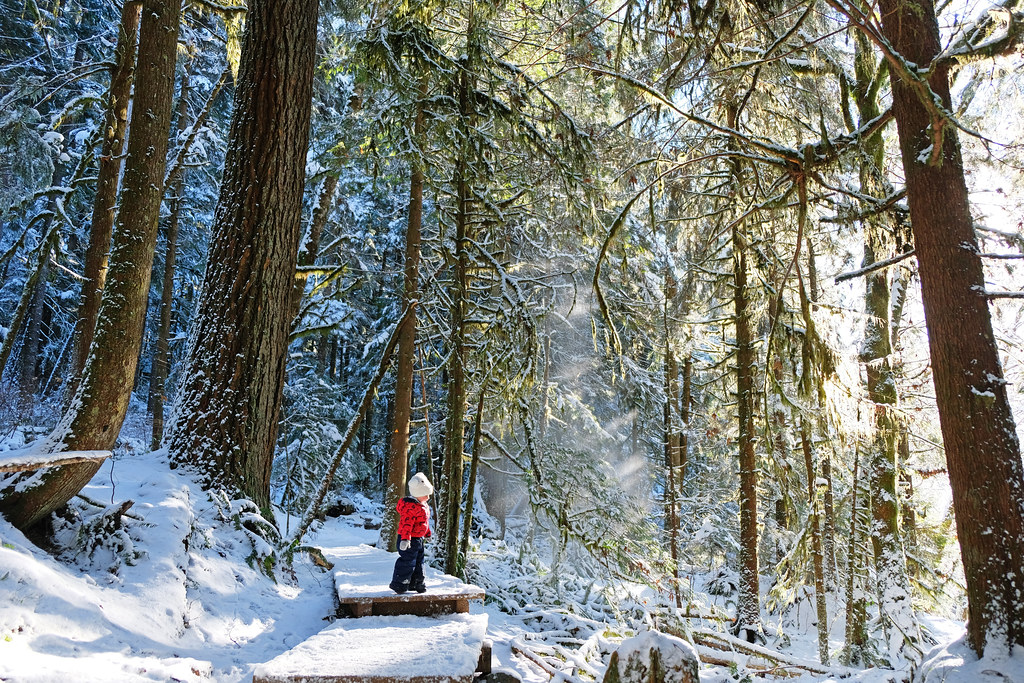
Finally, if the snow has already fallen, a walk in a winter landscape can be beautiful. I told you, you end up hiking quite often when in Vancouver. 🙂 The challenge is to pick a suitable and safe trail. But we’ve tested quite a variety of them, and we also published a guide about the best winter hikes in Vancouver, including both snowy and snow-free options.
If it’s raining in the city, and it’s cold enough at higher elevations, you have a chance to enjoy a fresh snowfall if you drive up to Cypress Mountain and Mount Seymour. Check their webcams whether it really snows there before you drive up. Also check road and trail updates, and bring appropriate footwear and traction. Our guide to choosing microspikes for hiking compares options.
If conditions are poor, choose an indoor attraction instead.
What to eat in Vancouver in fall
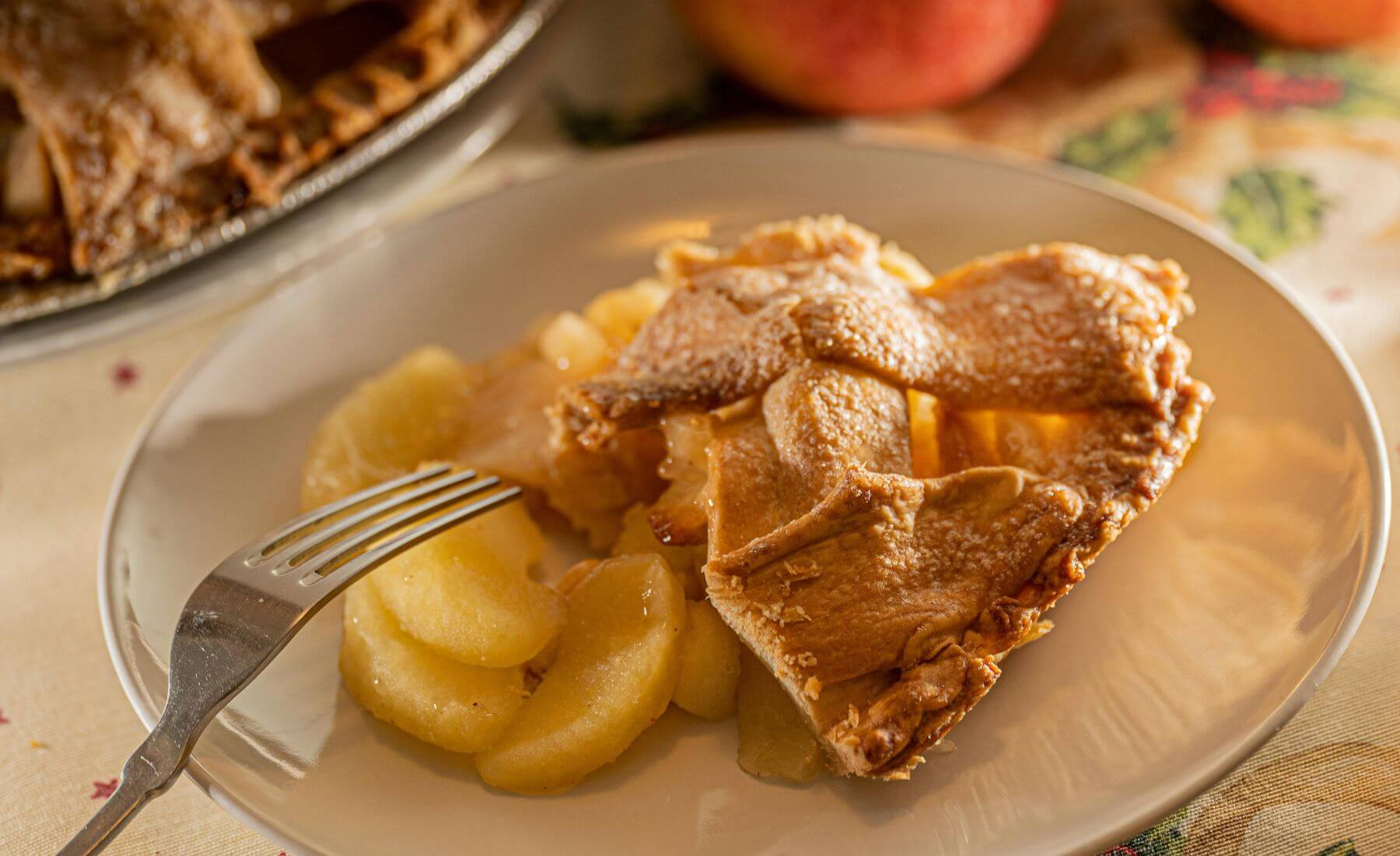
Fall is a good excuse to slow down over a warm drink or a comforting meal between walks. Restaurants and market stalls change their offerings throughout the year, so see what’s fresh and available during your visit.
After a rainy walk along the seawall or through a park, warm up at a nearby café with a hot drink. If you’re exploring downtown, Gastown and Yaletown both have plenty of cafés and places to eat. On Granville Island, browse the Public Market for local produce, baked goods and easy picnic snacks. And if you’re visiting Fort Langley or a pumpkin patch, look out for farm-market produce and seasonal treats.
Granville Island Public Market was our regular stop when spending time in the area with my toddler. We often warmed our hands around apple cider and shared a pumpkin muffin. Or he picked a cinnamon bun to enjoy by the water. And apple pies — okay, any kind of pie, sweet or savory — are my weakness.
What to wear in Vancouver in fall

Layers are the safest approach, including a waterproof layer. Conditions can feel different in the city, by the water and at higher elevations, so dress for the day’s activity and forecast.
Here are those things we found essential on fall outings:
Warm mid-layer. A fleece, cardigan or sweater is easy to add or remove.
Waterproof, wind-resistant jacket. A practical outer layer for rainy or breezy days. Oh, yes, the ocean breeze can be very chilly even on dry days in the colder months. For longer hikes, you definitely need waterproof a waterproof jacket, not just water-resistant.
- Women’s pick: 33,000ft Women’s Waterproof Raincoat
- Men’s pick: NORDIC OUTLAND Men’s Waterproof Rain Jacket

Fleece-lined leggings. They were such a versatile piece in my wardrobe, keeping me warm while wearing them underneath jeans or hiking pants as a base layer, but also with an elegant dress on occasion.
Waterproof footwear. Helpful for wet city walks and muddy park paths. For mountain hikes, wear proper hiking boots suited to the trail.
Honestly, during the fall and winter months we often wore our waterproof hiking boots in the parks, too. They were the only shoes that kept our feet reliably dry and warm. We have good experience with the Columbia Newton Ridge Plus boots because they’re lightweight, supportive, and affordable:
- Women’s pick: Columbia Women’s Newton Ridge Plus Waterproof Hiking Boots
- Men’s pick: Columbia Men’s Newton Ridge Plus II Waterproof Hiking Boots
If you’re planning a coastal hike, our guide to what to wear on BC coastal hikes covers practical layers and gear for rain, mud and wind.

Warm socks and a hat. Useful on chilly mornings and evenings, and windy coastal walks.
Warm jacket for higher elevations. Mountain temperatures can be much colder than in the city. Bring a suitable insulating layer and a waterproof shell if you’re hiking, especially if you’re heading to the alpine regions. A down jacket can provide warmth, but it isn’t a replacement for a waterproof outer layer in heavy rain. You need both.

Visiting with a little one? See our guide to rainy days in Vancouver with a toddler for gear that actually worked for our family.
Where to stay in Vancouver
Choosing the right neighbourhood can make it easier to enjoy Vancouver’s fall sights and activities. These are a few places to consider at different price points:
- Luxury: OPUS Vancouver — A stylish, centrally located hotel in Yaletown, convenient for restaurants and False Creek.
- Mid-range: O Canada House Bed & Breakfast — A character-filled, home-style stay in a central location.
- Budget: Samesun Vancouver — A central hostel with a social atmosphere; a good option if you’re comfortable with shared accommodation.
In case you prefer a more personal stay, browse our Vancouver B&B guide for more places to consider.
Rates, room types and availability vary by date, so compare the options for your travel dates and check the current booking conditions before reserving.
Final tips for enjoying fall in Vancouver

Fall in Vancouver rewards flexible plans. Pick a few outdoor activities you’re excited about, keep a rainy-day option ready, and check current conditions before heading to a mountain trail or seasonal event.
Most of all, give yourself time to explore at a comfortable pace. A walk through a leafy neighbourhood, a warm drink after a rainy park visit or an unhurried stop at a market can be just as memorable as a major attraction. And the advice we got countless times, and now give it on every occasion: have your rain gear close by, and don’t let rain stop you from exploring.
Visiting Vancouver in another season?

Vancouver is worth exploring year-round. Plan a warm-weather trip with our summer guide to Vancouver, see the city in bloom with our Vancouver cherry blossom guide, or find ideas for colder days in our winter guide to Vancouver.
Frequently asked questions: Vancouver trip in the fall

Yes, if you enjoy parks, gardens, outdoor walks and seasonal events. Fall colours can be lovely, but rain is common and the timing of foliage varies. Bring waterproof layers and keep indoor alternatives in your plans.
There isn’t one reliable peak date. Higher elevations may change earlier, while many city parks and streets show colour later. Mid-October to early November is a useful rough guide for some lower-elevation areas, but conditions vary by year.
Visit a museum, Science World, Bloedel Conservatory or another indoor attraction. Sit into a café. You can also enjoy a shorter waterfront or park walk in suitable rain gear—just keep your plans flexible.
It can be. Choose shorter walks and parks with facilities. Before visiting a pumpkin patch or event, check the age guidance, terrain, and whether strollers are practical.
Not necessarily. You can see colourful trees in Vancouver’s parks and neighbourhoods using public transit, walking or cycling. A car can make it much easier to visit places farther from downtown though.

Leave a Reply