We knew Vancouver would be rainy when we moved there. We just didn’t understand what “rainy” meant on the BC coast until we started hiking in it. And that misunderstanding cost us a few thoroughly miserable days on the trail: wet feet, soaked layers, and “weatherproof” clothing that gave up far too early.
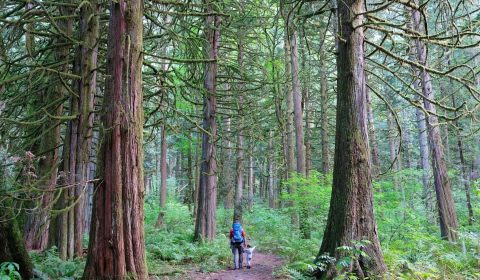
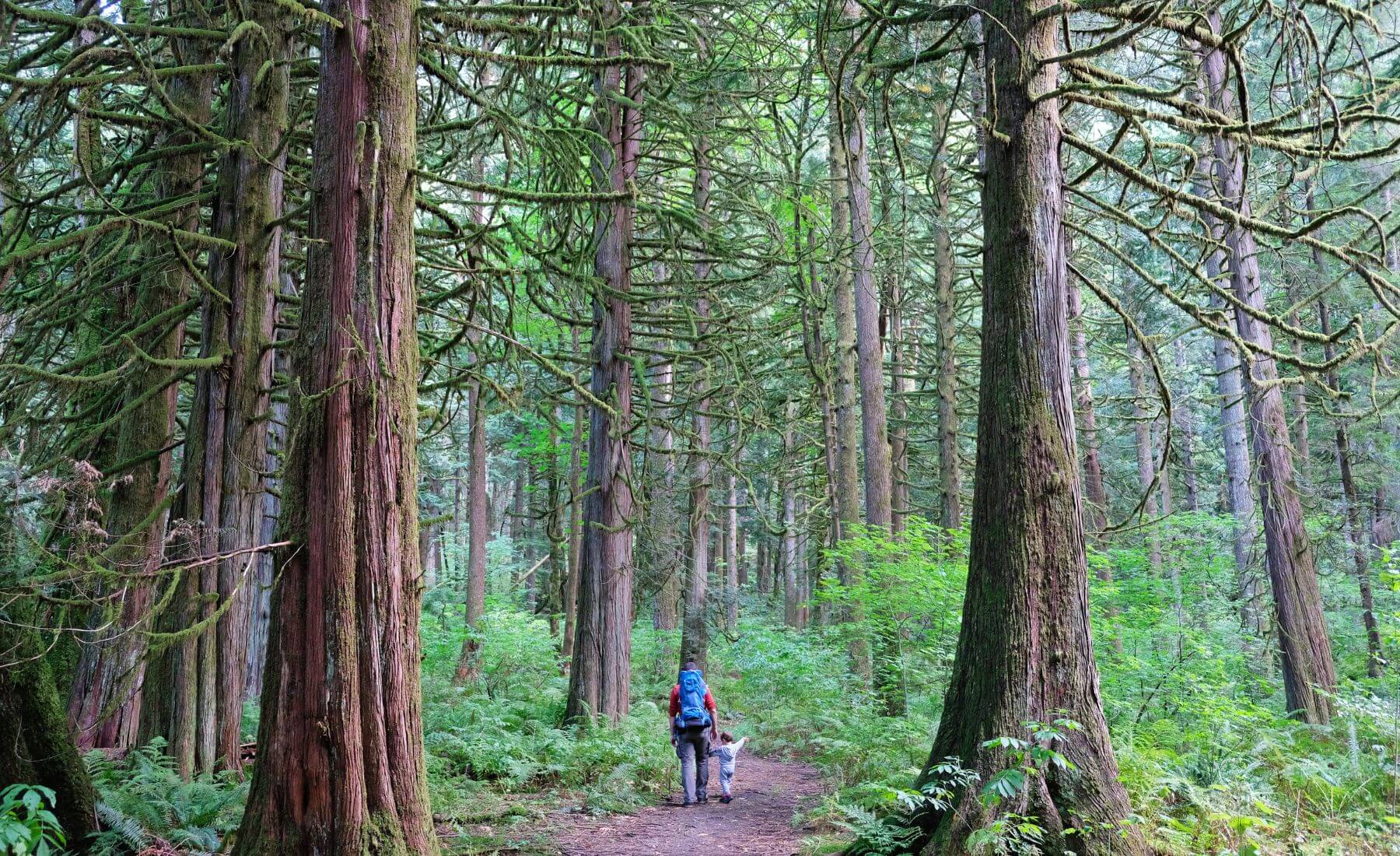
That said, coastal hiking in British Columbia is also one of the best reasons to put up with the weather. The trails wind through temperate rainforest, past moss-covered old growth, along fjords, beaches, lakes, and stretches of wild Pacific coastline that feel dramatic in any season. Yes, truly any season. But they can also be far wetter, muddier, windier, and more demanding than they look in photos.

That’s the thing about BC coastal hikes: distance alone tells you very little. A short trail can still mean ankle-deep mud, slick roots, wet rocks, surprise downpours, and a cold wind waiting at the beach. We already knew how much distance and elevation matters for a hike, but some of those “easy” BC coastal hikes taught us that terrain and weather are equally important factors.
Vancouver Island was a particularly good teacher. Trails like Mystic Beach and sections of the Juan de Fuca coastline completely redefined what I thought a “muddy trail” was. Add slippery roots, constant moisture, and that sharp coastal wind once you step out of the forest, and what sounds like a casual day hike can suddenly feel a lot less casual. Still, that wild, untamed feel is exactly what makes hiking the BC coast so good.

The right clothing makes an enormous difference, we knew that — my mum told me so twenty years ago, anyway. But what that actually means for BC hikes, we learned that over time.
This guide is for practical day hikes and coastal walks in British Columbia — not alpine objectives or technical backcountry routes. If you’re wondering what to wear on BC coastal hikes, especially in rain, mud, and wind, this is what we’d learned to prioritize, and also what changes by season, and which mistakes are easiest to avoid. Oh, we have a long list of mistakes.
Quick answer: what to wear on BC coastal hikes

Yes, I have a short version, too, here’s the most important part in a nutshell:
Wear:
- a moisture-wicking base layer
- a light fleece or other mid-layer
- a truly waterproof and windproof rain jacket
- hiking pants, leggings, or weather-appropriate shorts
- waterproof hiking boots with good grip
- wool or synthetic socks
- gloves in colder months
Pack:
- an extra warm layer
- water and snacks
- a fully charged phone with an offline map
- a compact first aid kit
- sun protection
- waterproof pants for rainy or windy days
- a dry bag or zip-top bag for valuables
- a small pack cover or waterproof backpack liner
Dress for wet forest, muddy trail, and exposed coastline — not just for the temperature at the trailhead.
If you’re looking for specific gear, here are the recommended essentials we liked using for BC coastal conditions:
- Rain jacket:33,000ft Women’s Waterproof Raincoat / NORDIC OUTLAND Men’s Waterproof Rain Jacket
- Hiking boots: Columbia Women’s Newton Ridge Plus Waterproof Hiking Boots / Columbia Men’s Newton Ridge Plus II Waterproof Hiking Boots
Why BC coastal hikes are different

Coastal hiking in British Columbia is not just “hiking, but near the ocean.” It comes with a very specific combination of conditions:
- damp forest trails
- mud that lingers long after rain
- exposed roots and slippery boardwalks
- beach access paths that can be steeper than expected
- wind on headlands and shorelines
- cool shade in the forest, even in summer
- weather changes between inland sections and open coast

And these conditions don’t just show up in winter. Also, some of the muddiest and messiest trail sections I’ve seen were on hikes people tend to underestimate because they’re relatively famous or not especially long. BC coastal hikes punish bad assumptions.
If you’re used to drier hiking regions, it can take a while to adjust your expectations. We had to accept that quite often “nice weather” does not mean dry trail. “Short hike” does not mean casual footwear either. And “summer” definitely does not mean you can leave the rain layer behind.
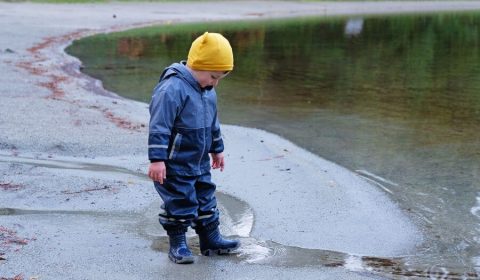
Keeping those heavy duty hiking boots in the trunk of our car became a habit. Just like dressing our toddler into full body rain suits and rubber boots. That’s the way to embrace the muddy trails and the beauties of these trails.

👉 And if you’re in the stage of wrestling a toddler into rain gear before heading out, I also wrote about rainy days in Vancouver with a toddler and the gear that genuinely worked for us.
For those looking for(ward to) hiking with a young child, I also have a guide to very short, toddler-friendly hikes near Vancouver that are much more realistic with little legs.
I’d rather be slightly overprepared than underprepared and miserable in the wind later. A lightweight extra layer or decent shell often makes a big difference while it takes up only a little space.
What to wear on BC coastal hikes

Start with a moisture-wicking base layer
Your base layer should manage sweat and dry reasonably quickly. That matters even on cooler days, because many BC coastal hikes involve enough climbing, descending, and awkward footing to warm you up fast.
Good options:
- merino wool top
- synthetic athletic or hiking shirt
- long sleeve sun shirt in summer
- lightweight thermal base in colder months
I’d avoid cotton T-shirts and anything else that stays damp once wet. Cotton may feel perfectly comfortable at the trailhead, and I like wearing it day to day too, but it’s a poor choice for hiking. Once you start sweating or pick up moisture from mist, drizzle, or humidity, it gets clammy and uncomfortable very quickly.
For a moderate coastal hike, we usually wear either a synthetic or merino top that feels comfortable under a rain shell but also works on its own if the weather clears. On the coast, you’re often dressing not just for rain, but for damp air, cool forest shade, and sudden temperature changes between the trail and the shoreline.
If you want a specific example, a lightweight merino top is one of the most versatile options for BC coastal hikes:
- Women’s pick: Merino.Tech 100% Merino Wool Women’s T-Shirt
- Men’s pick: Merino.Tech 100% Merino Wool Men’s T-shirt
Add a light insulating mid-layer

This is the layer people often hesitate to bring — and then end up being very glad they packed. We surely did, on many occasions.
Even when the forecast looks mild, BC coastal hikes can be surprisingly cool because of wind, damp air, shaded forest, or a long stop at a beach or viewpoint. What feels unnecessary in the parking area feels very welcome once we’re standing still on the coast, or sitting down for a picnic lunch.
Good mid-layer options:
- lightweight fleece
- grid fleece
- thin synthetic insulated layer
- light merino sweater
In summer, I’d usually carry this layer rather than start in it. In shoulder season or winter, I’m much more likely to put it on from the beginning.

If I had to choose just one, I’d pick a light fleece. It’s one of the most useful layers for coastal hiking: warm enough for cool, damp conditions, breathable enough for movement, and far less fussy than bulkier insulated pieces. It may not be the most exciting gear purchase, but it’s one of the most practical.
If you want a specific example, this is the kind of light fleece I mean:
- Women’s pick: Columbia Women’s Benton Springs Full Zip
- Men’s pick: Columbia Men’s Steens Mountain Full Zip 2.0
Bring a genuinely waterproof rain jacket

If you only invest in one piece of gear for BC coastal hiking, make it a proper waterproof shell. Not a lightweight “just in case” raincoat. Not a jacket that’s technically water-resistant but starts failing in steady rain. On coastal trails in British Columbia, a real waterproof jacket isn’t backup gear — it’s a core layer.
Rain on the BC coast is often less dramatic than people imagine, but more persistent. A drizzle can settle in for hours, and once wind gets involved, even mild conditions can feel cold surprisingly quickly. And yes, it can get dramatic, too: pouring rain for hours. Beach sections, viewpoints, and exposed coastline are often much chillier than the forest approach.

We’ve had plenty of hikes where we only needed my shell for part of the day — but that part mattered. You can spend most of a hike in a base layer and then suddenly want your jacket the moment you reach a windy bluff, a misty beach, or a wet final stretch through the trees.
What I look for in a BC coastal hiking rain jacket:
- genuinely waterproof fabric (8000-10000 mm), not just water-resistant
- a hood with good coverage
- enough breathability for walking uphill
- light weight and easy packability
- enough room for layers underneath

I don’t obsess over jacket specs, but I do look for signs that a shell is built for real rain rather than occasional drizzle. A decent waterproof rating and some breathability are both reassuring, especially for hikes where you may wear the jacket for hours.
These are the kinds of jackets I mean:
- Women’s pick: 33,000ft Women’s Waterproof Raincoat — a good choice if you want a packable shell that can handle real rain without feeling overly bulky
- Men’s pick: NORDIC OUTLAND Men’s Waterproof Rain Jacket — a practical option for wet and windy trails when you want proper waterproofing without stepping into high-end shell pricing
What I like about both is that they’re properly waterproof for heavy rain, and they’re breathable enough to be usable on the trail rather than like emergency-only jackets.
Choose hiking bottoms for movement and weather, not style

You don’t need to overthink this, but your hiking bottoms should be comfortable to move in and able to handle mud, moisture, and changing conditions.
The most useful options are:
- lightweight hiking pants
- performance leggings
- hiking shorts in warm weather
What works best depends on the season, the trail, and your personal tolerance for wet legs.

In our family, Csaba usually wears hiking pants, especially convertible ones that zip off into shorts. They’re practical, versatile, and a good fit for changing conditions. I usually prefer hiking leggings because I find them more comfortable, but I make sure they’re made for hiking or active outdoor use — durable, quick-drying, and able to handle trail wear better than ordinary yoga leggings. That said, I do occasionally wear more traditional hiking pants too.
👉 If you’re also in the hiking-leggings camp, I’ve rounded up the hiking leggings and yoga pants I’d actually consider for trails here.
As for shorts, we rarely wear them on BC coastal hikes unless they’re part of a convertible-pants setup. Even in summer, we usually prefer a bit more coverage for muddy trails, damp forest, scratchy vegetation, and cooler beach sections.
I also think this is one area where people sometimes overdo the gear advice. You don’t need stiff, technical mountain pants for most BC coastal day hikes. You just need something comfortable, quick-drying, and suited to wet, messy trails.
Our primary picks:
- Women’s pick: CRZ Butterluxe Leggings
- Men’s pick: Wespornow Men’s Convertible Hiking Pants
If you prefer pants over leggings, a lightweight women’s hiking pant is a great alternative too.
Wear proper footwear with grip

After your rain jacket, footwear is probably the most important practical choice for BC coastal hikes. Many coastal trails involve some combination of wet dirt, deep mud, exposed roots, rocks, driftwood, slick beach access, and short steep sections. Even on popular day hikes, underfoot conditions can be far rougher and slipperier than first-time visitors expect. Grip matters a lot.
One of the most common mistakes I see is people assuming that if a trail is popular, it must be easy underfoot. On the BC coast, that’s often not true. A well-known hike can still mean muddy trail corridors, wet roots, and slippery rocks — and your favorite pair of lovely white sneakers destroyed.
For most BC coastal day hikes, I think these are the best options:
- trail runners with solid traction
- hiking shoes
- hiking boots, if you prefer more support and protection
Trail runners vs. hiking boots

I don’t think everyone needs hiking boots. But we do usually prefer them.
For us, waterproof hiking boots make more sense on BC coastal trails because they offer better protection from mud and puddles, more support on uneven ground, and a bit more confidence on slippery sections. We usually wear ankle-height hiking boots, and especially in wet conditions, they’ve been the most practical choice for us.
That said, plenty of hikers prefer trail runners. If that’s you, I’d just be picky about traction. Trail runners are lighter, often more comfortable straight out of the box, and they can dry faster — to which I say that I’d rather avoid wet feet in the first place here. In cool, damp, humid conditions, shoes don’t dry quickly once they’re soaked.

Hiking boots make especially good sense if:
- you want more ankle support
- you’re hiking in very wet shoulder-season conditions
- you’re carrying a heavier pack
- you simply feel more stable and confident in boots
What I would not recommend for most BC coastal hikes:
- flat city sneakers
- smooth-soled casual shoes
- sandals on muddy or rooty trails
- anything you’d hate getting dirty

On many BC coastal hikes, mud and slick roots are not an occasional inconvenience — they’re part of the trail.
If you’re deciding between casual shoes and proper hiking footwear, this is one place where I really wouldn’t cut corners. For wet, muddy, rooty BC coastal trails, a waterproof hiking boot with decent grip makes a huge difference.
These are the kinds of boots we wear for BC coastal day hikes:
- Women’s pick: Columbia Women’s Newton Ridge Plus Waterproof Hiking Boots — a solid option for muddy and wet coastal trails if you want waterproofing, grip, and ankle support without going overly technical
- Men’s pick: Columbia Men’s Newton Ridge Plus II Waterproof Hiking Boots — a practical choice for slippery day hikes where comfort, traction, and weather protection matter more than going ultralight
Both are straightforward waterproof hiking boots that make sense for muddy, wet, uneven trails: supportive, grippy, and much more suitable than casual shoes for typical coastal conditions.
Don’t underestimate the importance of socks

Socks are not the most glamorous part of your hiking kit, but on wet BC coastal trails they make a real difference.
A good pair of wool or synthetic hiking socks helps with:
- moisture management
- comfort
- blister prevention
- warmth on damp days
Cheap cotton socks are one of those small mistakes that can make an otherwise good hike feel much worse. If I know a trail is likely to be especially wet or muddy, I pay far more attention to my socks than I used to. Good footwear matters, but even good boots can feel miserable by the end of the day if your socks stay damp, bunch up, or lose warmth.
My preference is:
- wool-blend hiking socks most of the time
- slightly lighter socks in summer
- a warmer pair in shoulder season or winter
If you’re only buying one type, I’d choose a good wool-blend hiking sock. It’s the most versatile option for BC coastal hikes and works well across a wide range of conditions.
Don’t forget hat, sun protection, and wind protection

People associate BC coastal hiking with rain, which is fair, but exposed beach and bluff sections can be surprisingly sunny and/or windy on certain days.
If your route includes coastline, I’d pack:
- a brimmed cap or hat
- sunglasses
- sunscreen
- a light beanie and gloves in cooler months
This is especially true on routes that move from shaded forest to open coast. You can spend an hour under trees and then suddenly feel fully exposed once you step onto a beach or rocky point.
Common mistakes when dressing for BC coastal hikes

Here are the mistakes I saw most often, and a few I’ve made myself:
1. Assuming a short or popular trail will be easy
Some of the wettest, muddiest, slipperiest hikes we’ve done in British Columbia were not especially long, difficult, or remote. Coastal trails can look very manageable on paper and still be messy underfoot, exposed to wind, or far wetter than expected.
If a trail includes rainforest, beach access, roots, mud, or coastal viewpoints, I’d take the conditions seriously even if the distance looks modest.
2. Wearing casual sneakers with poor grip

This is probably the most common footwear mistake. A popular trail is not automatically a dry or smooth trail, and casual sneakers are often the first thing to struggle on wet roots, mud, slick rocks, or steep access sections.
If you only upgrade one thing after your rain jacket, make it your footwear. Proper hiking shoes, trail runners with strong traction, or waterproof hiking boots make a huge difference on BC coastal trails. They also save your sneakers.
3. Treating water-resistant clothing as if it were waterproof

most puffer jackets are water-resistant and not actually waterproof
That distinction matters on the BC coast. A jacket that handles a brief city shower may not hold up to hours of drizzle, damp wind, or steady rain on the trail. For coastal hiking, I’d always rather bring a genuinely waterproof shell than hope a lighter jacket will be enough.
4. Wearing cotton next to the skin
Cotton is comfortable for everyday wear, but it’s not ideal for wet, cool hiking conditions. Once it gets damp from sweat, mist, or rain, it tends to stay damp and feel cold. A moisture-wicking base layer in merino or synthetic fabric is much more comfortable.
5. Underestimating how cold wind and damp air can feel

People often check the temperature, see that it looks mild, and assume they won’t need an extra layer. But coastal wind, shaded forest, and long stops at beaches or viewpoints can make conditions feel much cooler than expected. A light fleece is often the difference between feeling comfortable and feeling chilled the moment you stop moving.
6. Forgetting that mud is part of the trail
On many BC coastal hikes, mud is not an occasional obstacle, but part of the experience. That affects your shoes, socks, pants, and overall comfort much more than many first-time hikers expect.
That’s one reason we usually prefer quick-drying bottoms, proper hiking socks, and shoes we trust in wet conditions — not anything delicate, absorbent, or hard to clean afterward.
7. Not protecting the things inside your bag

Even if your jacket holds up, the rest of your gear can still end up wet. Phones, wallets, car keys, spare layers, and snacks all benefit from at least some basic protection. A dry bag, zip-top bag, or backpack liner is one of those small things that feels unnecessary until you really need it.
8. Dressing for style instead of trail conditions
You don’t need to look technical from head to toe, and you definitely don’t need the most expensive gear. But practical clothing choices matter. Prioritize grip, warmth, waterproofing, and comfort over what looks nicest (not saying I’m not guilty in this sometimes).

If you’re building your hiking kit from scratch, I’d start with three things: a proper waterproof rain jacket, grippy footwear, and decent wool-blend hiking socks. Those make the biggest difference the fastest on BC coastal trails.
What to pack for a BC coastal day hike
What you pack for a BC coastal day hike depends on the distance, the season, and how committed the trail is. But in my experience, most coastal hikes call for a bit more than the casual “water bottle and phone” setup.
That’s not because every trail is extreme. It’s because conditions can shift quickly, and even short hikes can mean mud, wind, damp forest, exposed beach sections, and colder-than-expected stops.
Our core BC coastal day hike packing list

- a small daypack
- water
- snacks or lunch
- an extra warm layer
- a waterproof shell, if I’m not already wearing it
- a phone with an offline map
- a small first aid kit
- a dry bag or zip-top bag for valuables
Depending on the hike, I may also bring:
- trekking poles
- a compact sit pad or small towel
- bug spray
- a headlamp, if timing feels even slightly uncertain
- an extra pair of socks to leave in the car
This may sound like a lot for a shorter trail, but BC coastal hikes reward a little extra preparation.

One thing I’ve become surprisingly loyal to is carrying a small dry bag — or at least a couple of zip bags — inside my pack. It’s such a simple solution, but it makes a big difference when the inside of your bag somehow ends up getting damp. Keeping your phone, wallet, keys, or spare layer dry is one of those small comforts that becomes disproportionately valuable by the end of a wet hike.
What I’d pack differently depending on the trail
Not every BC coastal outing needs exactly the same setup, so there’s no generic packing list that applies to all. A short, easy shoreline walk calls for a different approach than a muddy forest trail, and neither is the same as a longer rugged coastal hike. The goal isn’t to overpack every time — it’s to match your gear to the conditions.
For a short, easy coastal or lakeshore walk

Think Rice Lake Loop in North Vancouver, Sasamat Lake Loop in Belcarra Regional Park, The Spit in Squamish, Whiffin Spit in Sooke, or a short lighthouse trail.
I’d still bring the basics: water, a phone, and a waterproof layer if the weather looks at all changeable. But overall, I’d keep things light and fairly minimal.
👉 If you’re after gentler trails where you can keep things lighter, these are my favourite easy hikes in Vancouver.
For a muddy forest-to-beach hike
Think Mystic Beach, Sombrio Beach or similar Vancouver Island trails.
This is where I get much less casual. Footwear, socks, and waterproof layers matter far more on this kind of hike, because mud, wet roots, damp forest, and exposed beach sections all have a way of making mediocre gear feel… well, very mediocre.
👉If you’re planning a bigger trip rather than a single hike, this Vancouver Island road trip itinerary includes some of my favourite coastal stops and trails.
For a longer or more rugged coastal hike

Think the trail system of Lighthouse Park in West Vancouver, Tunnels Bluff above Howe Sound, or the East Sooke Coast Trail on Vancouver Island, or other longer coastal day hikes.
This is when I’d bring the full daypack setup: extra layer, more food than I think I’ll need, and anything I might regret not having if the hike takes longer, or turns colder than expected.
For a hike with swimming, river stops, or water access
Think places like Sooke Potholes or Tonquin Trail in Tofino.
I’d consider bringing a compact towel, a waterproof phone case, and spare clothing.

The goal is not to overpack everything all the time — it’s to understand which conditions require more thought.
What to wear on BC coastal hikes by season
Summer

Summer is the easiest season for BC coastal hiking, but it’s also the one that’s easy to underestimate. Because “summer” on the BC coast can still mean cool mornings, shaded rainforest, mud left behind by earlier rain, wind on exposed beaches, and fog or mist rolling in near the water. Especially in June or early July. August tends to be hot and dry.
In summer, I’d usually wear:
- a moisture-wicking top
- convertible hiking pants or leggings, depending on the trail and weather
- more lightweight hiking shoes if the weather is dry
- hiking socks
And I’d usually pack:
- a light mid-layer
- a waterproof shell (always)
Summer is when people are most tempted to dress too casually. That’s fine for easy shoreline walks, but once a trail includes roots, mud, or a steeper beach access, proper footwear and a rain layer still make a big difference.
Spring and fall

Spring and fall means greener forest, stronger waterfalls, fewer crowds, and that moody coastal atmosphere that feels very British Columbia. Also, frequent rain. Preparation really matters.
This is when I’d expect:
- soft or muddy trails
- cooler air
- wet vegetation
- more frequent rain
- a greater need for layering

In spring and fall, I’d usually wear:
- a moisture-wicking base layer
- a fleece or similar mid-layer
- a waterproof shell
- hiking pants
- grippy hiking boots
- proper hiking socks
If I had to choose one setup that feels most typically “BC coastal hiking,” it would probably be this shoulder-season combination.
👉 If waterfall hikes are part of your plans, I’ve also put together a guide to the best waterfalls on Vancouver Island.
Winter

Winter coastal hikes in BC can be beautiful, dramatic, and surprisingly enjoyable if you dress well. They can also turn uncomfortable very quickly if you underestimate wind, dampness, and how cold it feels once you stop moving. It rarely snows on the coast, but the wind can bite.
In winter, I focus less on bulky clothing and more on staying dry and layering properly.
I’d usually wear:
- a warmer base layer
- a fleece or other insulating layer
- a waterproof shell
- weather-appropriate hiking pants
- warm hiking socks
- a beanie and gloves
Yes, I love my gloves, particularly in the chilly coastal wind. Also, I’d be more selective about which hikes I do at all, especially after heavy rain, during stormy weather, or when trail conditions are likely to be rougher than usual.
If you’re looking for snow-free or mostly low-elevation options, I’ve also put together a guide to the best winter hikes in Vancouver, including plenty of coastal and rainforest trails.
Final thoughts on coastal hiking in British Columbia

The best thing you can do for BC coastal hikes is stop thinking in terms of “easy” or “hard” and start thinking in terms of conditions.
A short beach trail can be muddier than a longer inland hike. A warm-looking day can still feel cold once wind and dampness come into play. My overall advice is fairly simple: dress for moisture, movement, and change.
If you do that, you’ll be prepared for a wide range of BC coastal hikes — and there are many.
FAQ: what to wear on BC coastal hikes
Not always. For many BC coastal day hikes, trail runners or hiking shoes with good grip are enough. Hiking boots can be helpful in wetter conditions, on rougher terrain, or if you prefer more support.
For very easy walks in dry conditions, possibly. But for most BC coastal hikes, especially muddy or rooty trails, I won’t recommend casual sneakers. Shoes with proper traction are much safer and more comfortable.
Yes, in my opinion a waterproof rain jacket is one of the most important pieces of gear for BC coastal hiking. Even in summer, weather can change quickly and coastal conditions can feel damp or windy.
In summer, wear a moisture-wicking top, trail-appropriate bottoms, grippy footwear, and good socks. Carry a waterproof shell and a light extra layer, even if the forecast looks good.
For some trails and in drier conditions, yes, as long as they have good grip. But muddy or rough conditions often make hiking boots a better choice.
Bring water, snacks, a waterproof shell, an extra layer, a phone with an offline map, basic first aid, sun protection, and a small backpack. Depending on the season, you may also want a sun hat, beanie or lightweight gloves.